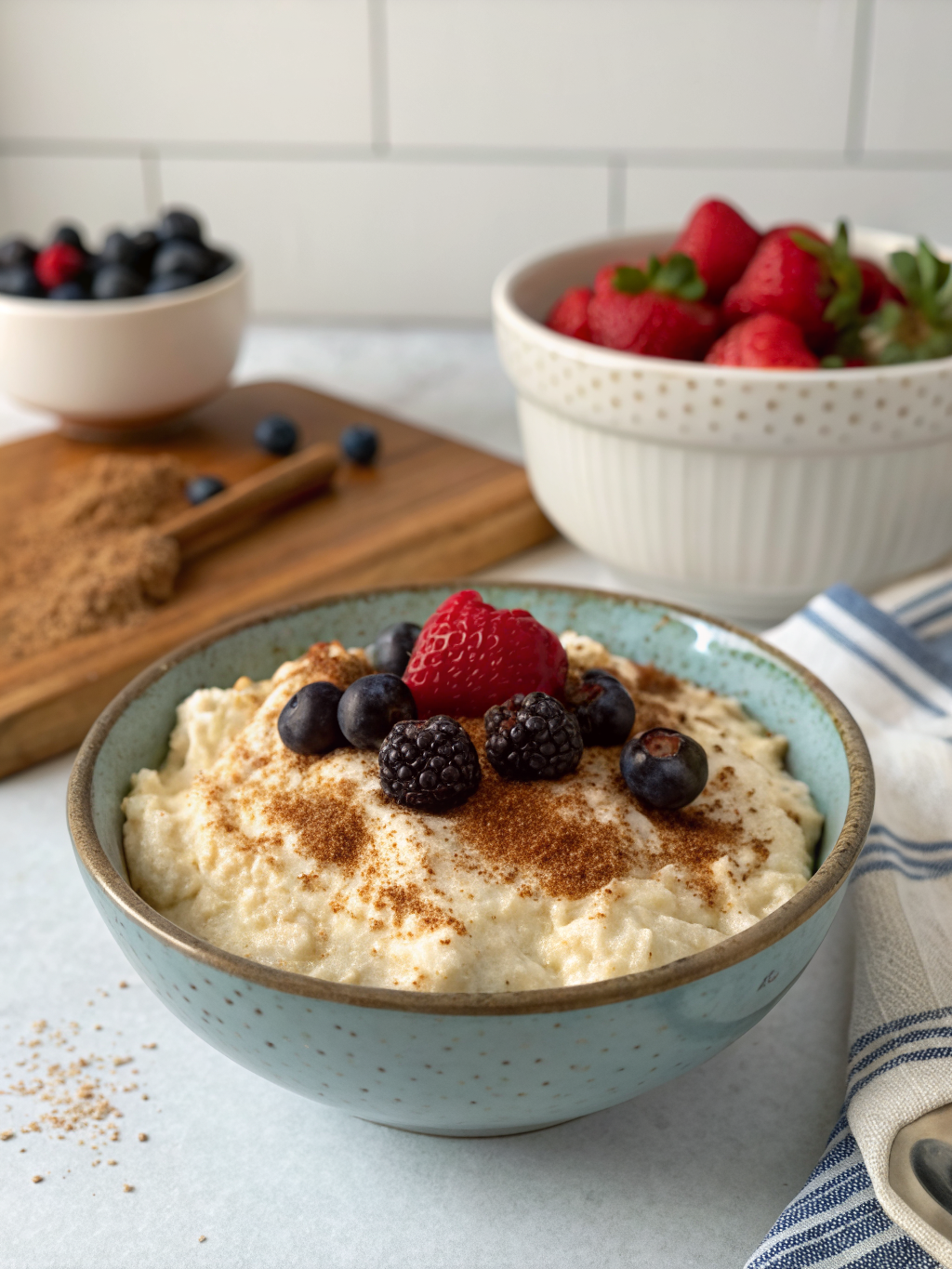
Cottage Cheese Dessert Recipes: 10 Healthy & Easy Sweet Treats
Can one creamy, protein-packed fridge staple really replace heavy cheesecake filling, sugary pudding, and ice cream? Yes—and the numbers are compelling: a typical ½-cup serving of low-fat cottage cheese delivers about 12–14 grams of protein, making it a smart foundation for satisfying sweets without relying on loads of added sugar. These cottage cheese dessert recipes turn humble curds into smooth, crave-worthy treats for busy weeknights, post-workout snacks, and healthier celebrations.
From chocolate mousse to frozen bark, these 10 ideas use one versatile blended cottage cheese dessert recipes base. If you enjoy flexible, nutrient-dense snacks, you will love these easy cottage cheese desserts .
Ingredients List
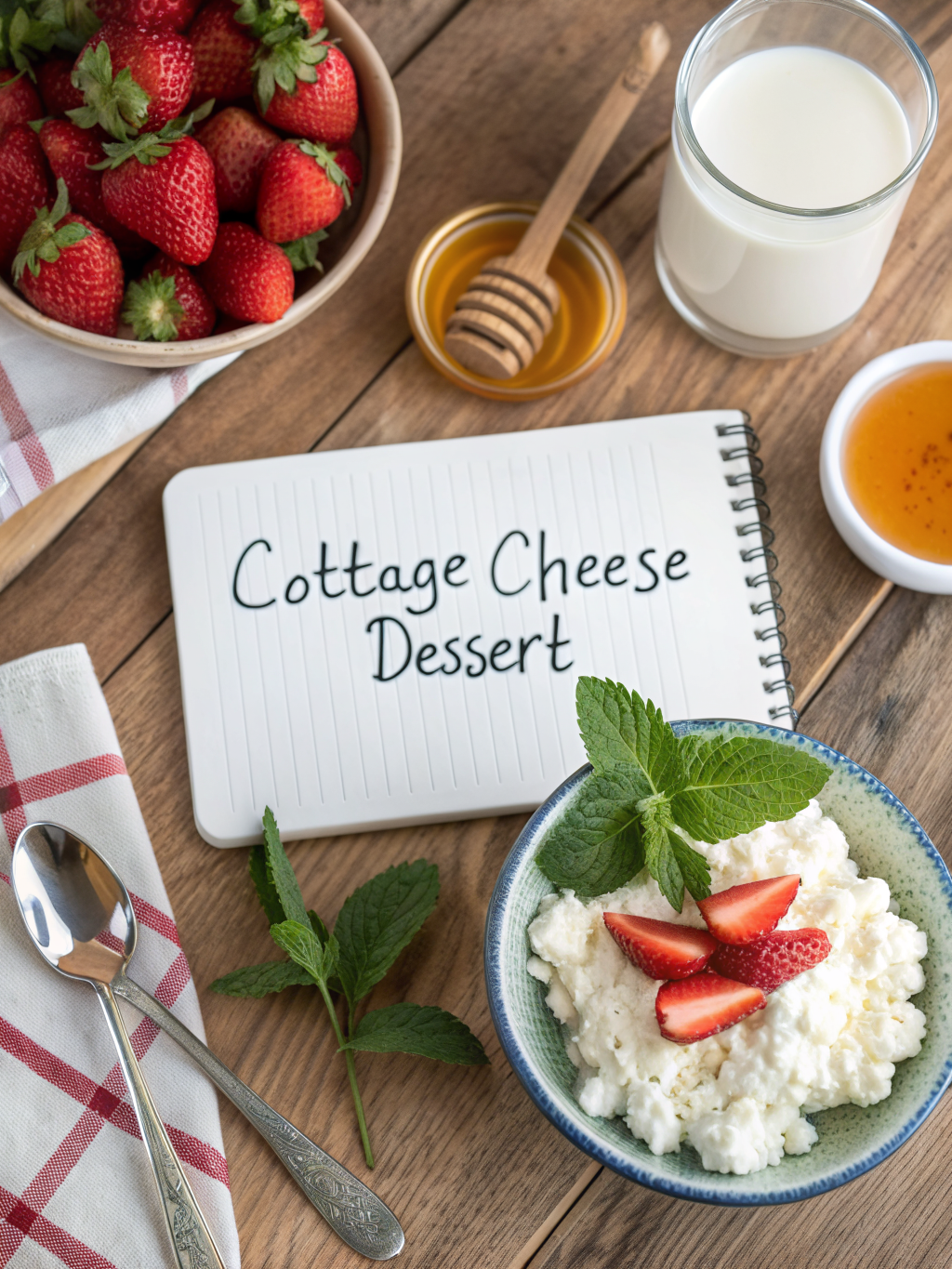
Build your creamy dessert base with simple ingredients that can be adjusted to your taste and dietary needs:
- 2 cups cottage cheese dessert recipes, full-fat or low-fat
- 2–4 tablespoons maple syrup, honey, or date syrup
- 1 teaspoon vanilla extract
- Pinch of sea salt
- 1 tablespoon lemon juice, optional for a cheesecake-like tang
For 10 flavor variations, choose from:
- 2 tablespoons unsweetened cocoa powder
- ½ cup strawberries, raspberries, mango, or blueberries
- 1 ripe banana
- 2 tablespoons peanut butter or almond butter
- ¼ cup melted dark chocolate
- ½ teaspoon cinnamon
- Crushed graham crackers or gluten-free cookies
- Toasted coconut, chopped pistachios, or almonds
- Chia seeds
- Mini chocolate chips
Substitution tip: Use lactose-free cottage cheese for sensitive stomachs, plant-based cottage cheese dessert recipes for a dairy-free approach, or Greek yogurt if cottage cheese dessert recipes is unavailable. Greek yogurt changes the flavor slightly but still creates a thick, tangy dessert.
Timing
- Preparation time: 10 minutes
- Blending time: 2–3 minutes
- Chilling or freezing time: 30 minutes to 2 hours
- Total time: 40 minutes to 2 hours 10 minutes
Most chilled versions are ready in about 40 minutes, which is considerably faster than traditional baked cheesecake recipes that often require 90 minutes or more, plus cooling time.
Step 1: Blend the Creamy Base
Add cottage cheese, maple syrup, vanilla, salt, and lemon juice to a high-speed blender or food processor. Blend for 60–90 seconds, scraping down the sides once, until the mixture looks glossy and completely smooth.
Personalized tip: If you prefer a sweeter dessert, start with two tablespoons of sweetener, taste, and add more gradually. This prevents an overly sugary result and lets fruit toppings shine.
Step 2: Choose Your Favorite Flavor
Divide the blended mixture among 10 small bowls or jars, or make one flavor at a time. Stir or blend in your chosen mix-ins. Try these combinations:
- Chocolate mousse: Cocoa powder and dark chocolate chips
- Strawberry cheesecake: Strawberries and crushed graham crackers
- Peanut butter cup: Peanut butter and cocoa powder
- Banana pudding: Banana, cinnamon, and vanilla
- Lemon berry: Lemon zest and blueberries
- Mango coconut: Mango and toasted coconut
- Tiramisu-inspired: Instant espresso powder and cocoa
- Apple pie: Applesauce, cinnamon, and walnuts
- Pistachio honey: Pistachios and a drizzle of honey
- Cookie dough: Almond butter, mini chips, and oat flour
Step 3: Chill, Freeze, or Layer
Spoon the mixture into dessert glasses, mason jars, silicone molds, or a parchment-lined loaf pan. Chill for at least 30 minutes for pudding-like texture, or freeze for 1–2 hours for a firmer frozen dessert.
For a more indulgent presentation, create layers with fruit, crushed cookies, granola, or a thin chocolate shell.
Step 4: Finish With Texture
Just before serving, add crunchy toppings such as nuts, cacao nibs, toasted coconut, or granola. Creamy desserts become more satisfying when they include contrast—a small crunch makes every spoonful feel more special.
Nutritional Information
Nutrition varies by flavor and toppings. The following estimate is for one serving of a basic vanilla cottage cheese dessert recipes made with low-fat cottage cheese and maple syrup:
- Calories: 170
- Protein: 14 grams
- Carbohydrates: 18 grams
- Fat: 4 grams
- Fiber: 1 gram
- Added sugar: Approximately 8–10 grams
Protein supports fullness, muscle recovery, and balanced snacking. Compared with many store-bought pudding cups or cheesecake slices, these cottage cheese dessert recipes treats can provide significantly more protein with fewer calories and less added sugar.
Healthier Alternatives for the Recipe
Make these desserts work for your routine without sacrificing flavor:
- Lower sugar: Sweeten with stevia, monk fruit, or blended dates instead of maple syrup.
- Higher fiber: Add one tablespoon of chia seeds, ground flaxseed, or oat bran.
- Dairy-free: Try a dairy-free cottage cheese dessert recipes alternative or thick coconut yogurt.
- Gluten-free: Use gluten-free cookies, oats, or nut-based crusts.
- Higher protein: Blend in a scoop of vanilla or unflavored protein powder. Add a splash of milk if the mixture becomes too thick.
- Nut-free: Use sunflower seed butter and toasted pumpkin seeds instead of peanut butter and almonds.
For a kid-friendly option, blend banana and cocoa into the base, then freeze it in popsicle molds.
Serving Suggestions
Serve strawberry cheesecake jars after dinner with fresh berries and mint. Bring frozen chocolate cottage cheese dessert recipes bark to a summer picnic. Layer banana pudding-style cottage cheese cream with sliced bananas and vanilla wafers for a lighter family dessert.
For breakfast, top a vanilla berry version with granola and chia seeds. For a post-workout snack, choose the peanut butter cup or chocolate mousse flavor and add extra protein powder. These desserts are also ideal for meal-prep: portion them into small jars so a balanced sweet bite is already waiting in the refrigerator.
Common Mistakes to Avoid
- Skipping the blending: Cottage cheese dessert recipes needs thorough blending to lose its curdy texture. A food processor works, but a high-speed blender produces the silkiest finish.
- Adding too much liquid: Fruit releases moisture. Use frozen fruit sparingly or drain juicy berries to avoid a runny dessert.
- Over-sweetening immediately: Chill the mixture before deciding it needs more sweetener; cold flavors taste less intense at first.
- Using only low-fat toppings: A small amount of nut butter, dark chocolate, or coconut improves richness and helps the dessert feel satisfying.
- Freezing without stirring: For ice-cream-like results, stir the mixture once after 45 minutes of freezing to reduce ice crystals.
Storing Tips for the Recipe
Store prepared cottage cheese dessert recipes in airtight containers in the refrigerator for up to 3 days. Keep crunchy toppings separate until serving so they stay crisp.
Frozen bark, pops, and mousse cups can be stored for up to 1 month. Wrap them well to prevent freezer odors. Before eating, let frozen portions sit at room temperature for 10–15 minutes for a softer, creamier texture.
If meal-prepping, blend the base first, then divide it into jars and add different flavor combinations. One batch becomes several desserts without extra effort.
Conclusion
These cottage cheese dessert recipes prove that healthy sweets can be creamy, comforting, and genuinely exciting. With high-protein cottage cheese, natural sweeteners, fruit, chocolate, and smart toppings, you can create 10 desserts that fit everything from quick snacks to entertaining.
Pick one flavor to try this week, then experiment with your own combination. Share your favorite variation in the comments and explore more gluten-free dessert inspiration for your next sweet craving.
FAQs
Does cottage cheese really taste good in dessert?
Yes. Once blended, cottage cheese becomes smooth and mild, similar to cheesecake filling or thick yogurt. Vanilla, fruit, cocoa, and nut butter easily complement its subtle tang.
What is the best cottage cheese for dessert recipes?
Full-fat cottage cheese creates the richest texture, while low-fat cottage cheese offers fewer calories. Choose small-curd cottage cheese for easier blending, although any variety works in a high-speed blender.
Can I make these desserts without a blender?
You can, but the texture will be less smooth. Mash cottage cheese thoroughly with a fork and use it in layered parfaits, or use an immersion blender for better results.
Are cottage cheese desserts good for weight loss?
They can fit a weight-management plan because protein may help you feel full. Portion size and toppings still matter, so use fruit, cocoa, and measured sweeteners rather than large amounts of chocolate or syrup.
Can I use these recipes as a healthy breakfast?
Absolutely. Add berries, oats, chia seeds, and nuts to create a balanced breakfast bowl with protein, fiber, and satisfying texture.