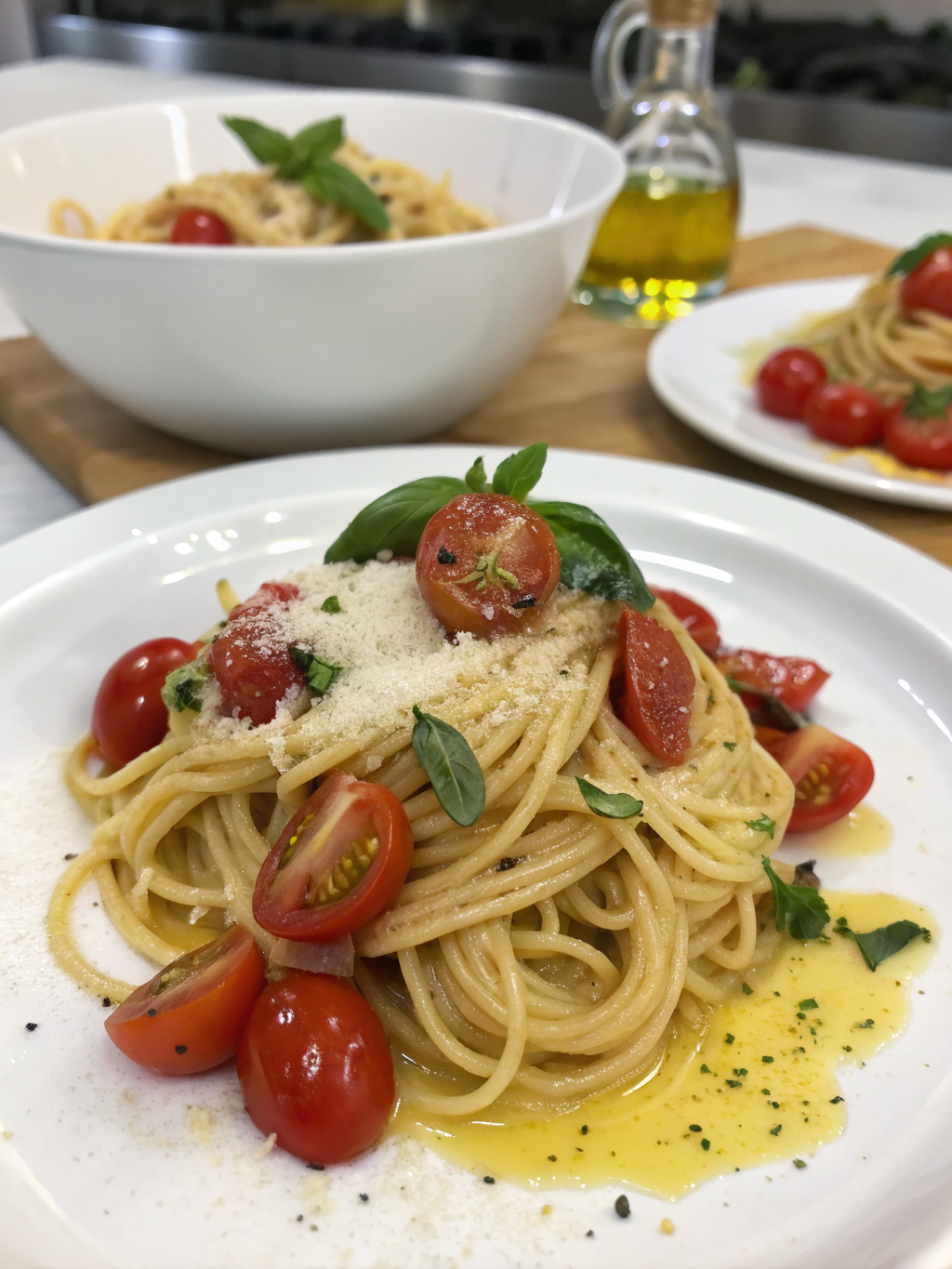
Gluten Free Pasta: 10 Easy & Delicious Recipes
If “gluten-free” foods must contain fewer than 20 parts per million of gluten under FDA guidance, why do so many weeknight pasta dinners still taste bland or turn mushy? The answer is usually technique—not the noodles. Gluten free pasta can be every bit as comforting, saucy, and satisfying as traditional pasta when you choose the right shape, salt the water well, and finish it in the sauce.
These 10 flavor-packed ideas turn pantry staples into dependable dinners: creamy garlic, spicy sausage, lemon shrimp, pesto vegetables, and more. Save this guide for busy evenings when you need a fast meal that everyone can enjoy.
Ingredients List Gluten free pasta
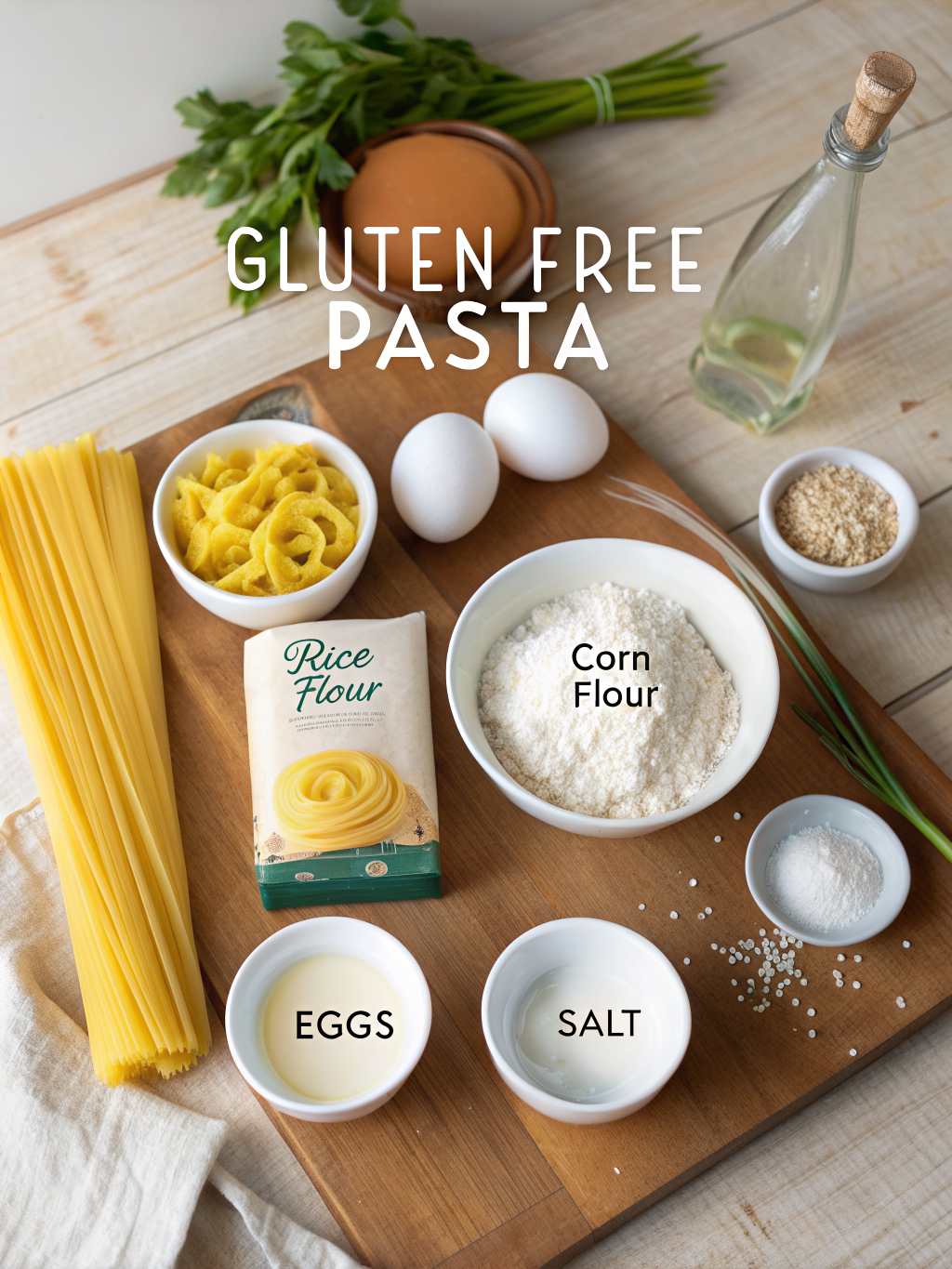
Use this flexible ingredient base for one four-serving pasta dinner, then choose one of the 10 recipe variations below.
- 12 ounces gluten free pasta, such as brown rice penne, chickpea rotini, corn spaghetti, or lentil fusilli
- 2 tablespoons extra-virgin olive oil
- 3 garlic cloves, finely minced
- 1 small onion or shallot, diced
- 2 cups sauce or add-ins, depending on your chosen recipe
- ¼ cup reserved pasta water
- Salt and freshly cracked black pepper
- Fresh herbs, grated Parmesan, nutritional yeast, or lemon zest for finishing
For reliable nutrition comparisons and ingredient details, explore gluten free pasta recipes alongside labels from your preferred pasta brand. Chickpea and lentil varieties generally offer more protein and fiber than rice-based options, while corn-and-rice blends often deliver the closest classic pasta texture.
Timing
- Prep time: 10 minutes
- Cook time: 12–15 minutes
- Total time: 25 minutes
That is significantly quicker than baked pasta casseroles, which commonly require 45 minutes or more. Read your package directions carefully: gluten-free noodles can move from al dente to soft surprisingly fast.
Step-by-Step Instructions
Step 1: Choose your flavor direction
Pick one of these easy gluten free pasta recipes before you begin:
- Creamy Garlic Parmesan: Alfredo-style sauce, spinach, and Parmesan.
- Tomato Basil: Marinara, cherry tomatoes, basil, and mozzarella.
- Spicy Sausage and Kale: Italian sausage, kale, crushed red pepper, and tomato sauce.
- Lemon Shrimp: Sautéed shrimp, lemon, garlic, parsley, and olive oil.
- Pesto Veggie: Basil pesto, zucchini, peas, and toasted pine nuts.
- Mushroom Stroganoff: Mushrooms, Dijon mustard, broth, and Greek yogurt.
- Taco Pasta: Ground turkey, black beans, salsa, corn, and cheddar.
- Mediterranean Olive: Artichokes, olives, sun-dried tomatoes, feta, and oregano.
- Butternut Squash Sage: Roasted squash, sage, walnuts, and brown butter.
- Baked Tortellini Meat Sauce: Gluten free tortellini, rich meat sauce, and melty cheese.
Step 2: Boil the pasta with intention
Bring a large pot of generously salted water to a rolling boil. Add the pasta and stir immediately, then stir again every 30 seconds during the first few minutes. This simple habit prevents sticking, especially with rice- or corn-based noodles.
Cook until just shy of al dente—usually one to two minutes less than the package recommendation. Before draining, reserve ¼ cup pasta water. Its starch helps sauces cling to every curve and twist.
Step 3: Build a fragrant sauce
Warm olive oil in a wide skillet over medium heat. Cook the onion for three to four minutes until soft and sweet, then add garlic for 30 seconds. Add your chosen vegetables, protein, sauce, or seasonings.
For cream sauces, loosen with broth, milk, or reserved pasta water. For tomato sauces, simmer for five minutes to concentrate the flavor. Taste as you go; gluten free pasta benefits from assertive seasoning.
Step 4: Toss, finish, and serve
Add drained pasta directly to the skillet and toss for one to two minutes. The pasta will absorb flavor while finishing its cook time. Add a splash of pasta water if the sauce looks tight.
Finish with herbs, citrus, cheese, or nutritional yeast. Serve immediately for the best tender-but-firm texture.
Nutritional Information
Estimated nutrition for one serving of tomato basil pasta, using brown rice penne and Parmesan:
- Calories: 410
- Protein: 12g
- Carbohydrates: 68g
- Fiber: 4g
- Fat: 11g
- Sodium: 480mg
Nutrition varies widely by noodle type and sauce. Bean-based pasta can raise protein and fiber, while creamy sauces increase saturated fat and calories. Check labels carefully if you manage sodium, dairy, or allergen intake.
Healthier Alternatives for the Recipe
Make your bowl work harder for your goals without losing its comfort-food appeal:
- Choose chickpea, lentil, or quinoa pasta for extra protein and fiber.
- Replace half the pasta with sautéed zucchini, spinach, broccoli, or mushrooms.
- Use unsweetened Greek yogurt instead of heavy cream in creamy sauces.
- Swap sausage for turkey sausage, white beans, or crumbled tofu.
- Use dairy-free Parmesan or nutritional yeast for a vegan finish.
- Add crushed red pepper, lemon, and herbs before reaching for extra salt.
For a lower-carb option, serve a smaller portion of pasta alongside roasted vegetables and a protein-rich sauce.
Serving Suggestions
Pair tomato basil pasta with a crisp arugula salad, balsamic dressing, and toasted gluten-free bread. Lemon shrimp pasta shines with asparagus or green beans. For family-style taco pasta, set out avocado, cilantro, jalapeños, and lime wedges so everyone can personalize their bowl.
Hosting guests? Make two sauces—one mild and one spicy—then use the same pasta base. This creates a flexible meal without doubling your kitchen workload.
Common Mistakes to Avoid
- Overcooking the pasta: Start checking early; gluten free pasta noodles soften quickly.
- Skipping the stir: Frequent stirring prevents clumps and uneven cooking.
- Rinsing hot pasta: Rinsing removes starch needed for sauce adhesion. Only rinse for cold pasta salad.
- Using too little sauce: Gluten free pasta absorbs liquid as it sits, so keep extra sauce or broth nearby.
- Ignoring cross-contact: If cooking for someone with celiac disease, use clean strainers, utensils, cutting boards, and certified gluten free pasta ingredients.
Storing Tips for the Recipe
Store cooled leftovers in an airtight container for up to three days in the refrigerator. Keep extra sauce separate when possible; it helps prevent the noodles from becoming dry or overly soft.
Reheat gently in a skillet with one to two tablespoons of water, broth, or sauce. Avoid microwaving on high for too long, as it can make gluten free pasta chewy. For meal prep, cook the pasta one minute under al dente and combine it with sauce just before serving.
Conclusion
Great gluten free pasta dinners do not require complicated ingredients or long cooking times. Choose the pasta shape that fits your sauce, cook it slightly under package timing, save pasta water, and finish everything together in the skillet.
Try one of these 10 combinations tonight, then share your favorite variation in the comments. If you love baked comfort food, explore the linked gluten free tortellini recipe for another cozy dinner idea.
FAQs
Which gluten free pasta tastes most like regular pasta?
Corn-and-rice blends are often closest to traditional wheat pasta in flavor and texture. Brown rice pasta is also mild and versatile, while chickpea pasta has a more distinct nutty flavor.
Is gluten free pasta healthier than regular pasta?
Not automatically. Gluten free pasta is essential for people with celiac disease or gluten sensitivity, but nutrition depends on the ingredients. Bean-based varieties often provide more protein and fiber, while refined rice pasta may be similar to standard pasta nutritionally.
How do I stop gluten free pasta from falling apart?
Use plenty of water, stir early, avoid overcooking, and toss the pasta directly with sauce. Choosing sturdy shapes such as penne, rotini, and fusilli also helps.
Can I freeze gluten free pasta dishes?
Saucy dishes can be frozen for up to two months, although the pasta may soften after thawing. For best results, freeze sauce separately and cook fresh pasta when ready to serve.