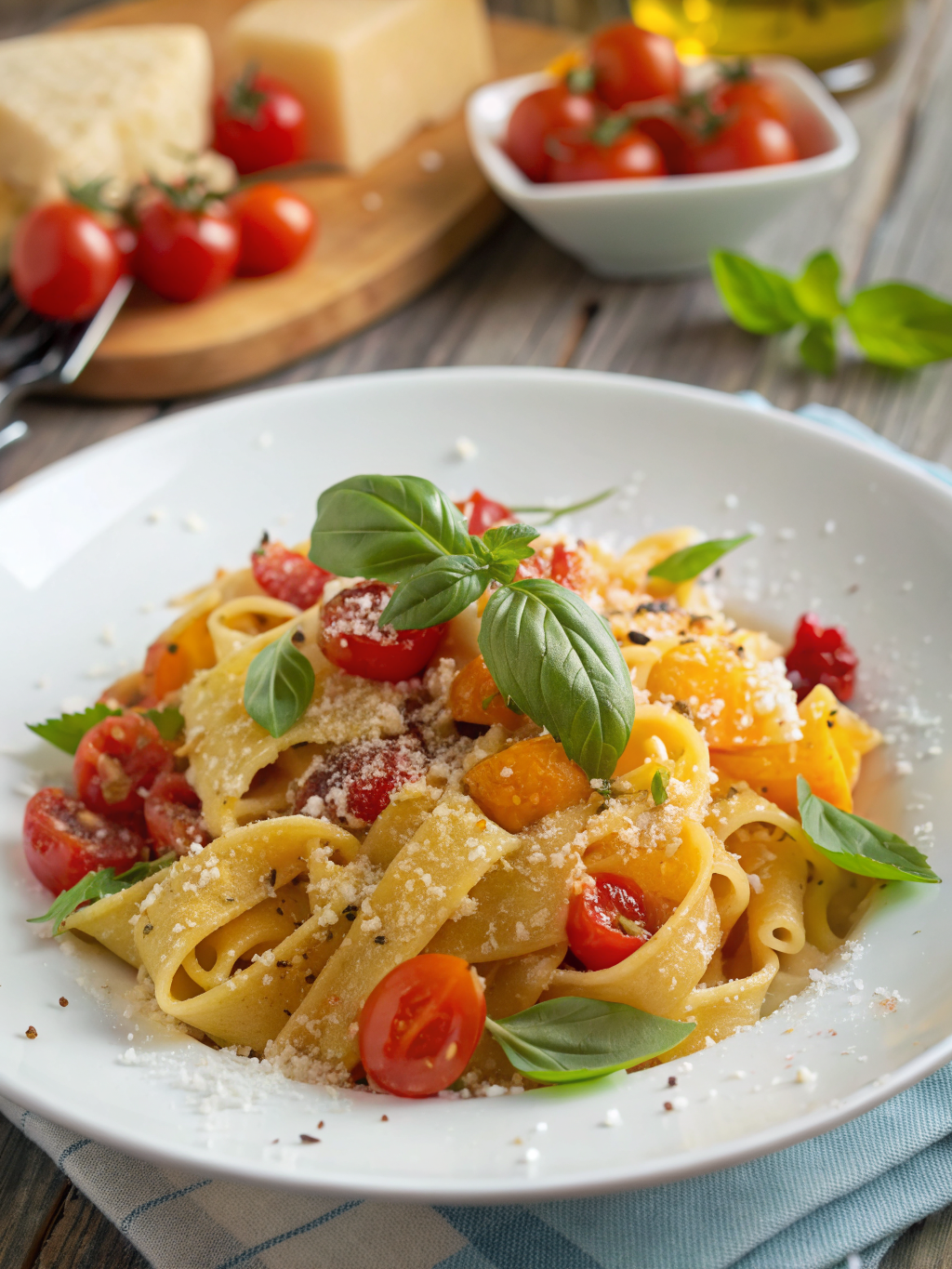
Jovial Gluten Free Pasta: 7 Easy Tips for Perfect Results
Have you ever followed a pasta recipe exactly, only to end up with noodles that are sticky, broken, or oddly firm in the middle? Pasta cooking tests consistently show that timing, water volume, and sauce technique affect texture more than almost any other factors—and that is especially true for gluten-free noodles. With jovial Gluten free pasta, a few small adjustments can deliver tender, satisfying pasta with a reliable al dente bite every time.
This easy tomato-basil pasta recipe is designed for busy home cooks, gluten-free families, and anyone who wants a comforting weeknight dinner without guesswork. It uses simple pantry staples while highlighting the naturally hearty texture of brown rice pasta.
Ingredients List
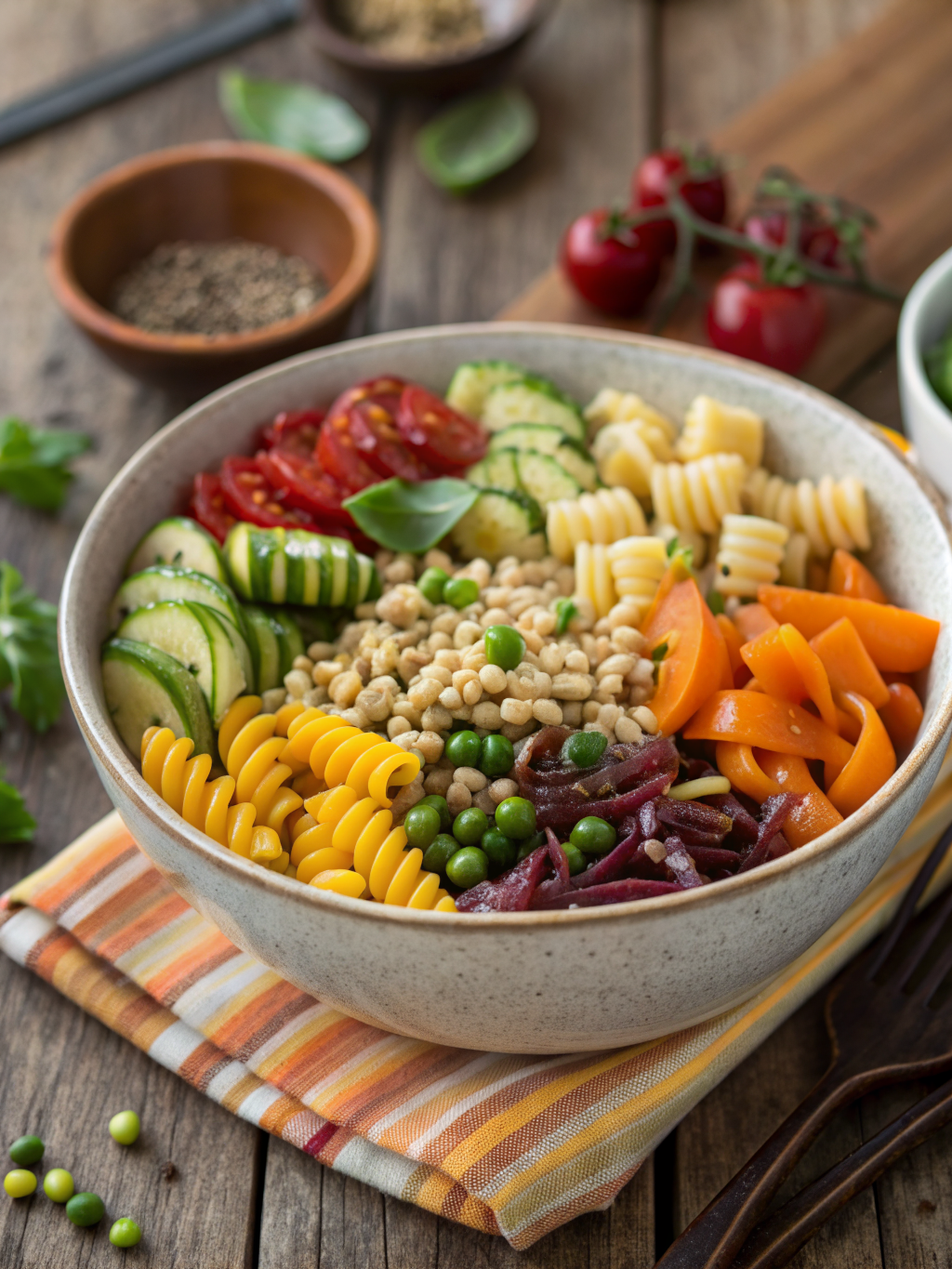
- 8 ounces Jovial gluten free pasta, such as penne, fusilli, or spaghetti
- 2 tablespoons extra-virgin olive oil
- 3 cloves garlic, finely minced
- 2 cups crushed tomatoes or marinara sauce
- 1 teaspoon Italian seasoning
- ¼ teaspoon red pepper flakes, optional
- ½ teaspoon sea salt, plus more for pasta water
- ¼ teaspoon black pepper
- ½ cup fresh basil leaves, torn
- ¼ cup grated Parmesan or dairy-free Parmesan
- 1 cup baby spinach, optional
- ½ cup reserved pasta water
Substitution ideas: Use a no-added-sugar marinara for a faster meal, swap spinach for kale or zucchini ribbons, or replace Parmesan with nutritional yeast for a vegan-friendly finish. For more meal inspiration, browse Jovial gluten free pasta recipes for different pasta shapes, sauces, and family-style dishes.
Timing
- Prep time: 10 minutes
- Cook time: 12–15 minutes
- Total time: About 25 minutes
- Servings: 4
At roughly 25 minutes, this recipe is about 30% faster than many baked gluten free pasta casseroles, which often require 35 to 45 minutes from prep to table. Check your package directions because cooking times vary slightly by shape.
Step 1: Start with plenty of rapidly boiling water
Fill a large pot with at least 4 quarts of water for 8 ounces of pasta. Bring it to a full, rolling boil before adding salt and noodles. Crowded pots cool down too quickly, increasing the risk of gummy gluten free pasta.
Step 2: Salt the water generously
Add around 1 tablespoon of kosher salt to the boiling water. This is your best opportunity to season the pasta itself, not just the sauce. The finished noodles should taste lightly seasoned even before they meet the tomatoes.
Step 3: Add pasta and stir immediately
Add the pasta, then stir thoroughly for the first 30 seconds. This simple habit prevents pieces from clumping as their outer starch begins to soften. Stir again every minute or two, particularly with penne and fusilli.
Step 4: Taste before the package time ends
Begin tasting the noodles two minutes before the suggested cooking time. The goal is tender pasta with a pleasant, slightly firm center. Gluten free pasta can move from perfect to overly soft quickly, so your taste test is more accurate than the kitchen timer alone.
Step 5: Save the starchy cooking water
Before draining, scoop out ½ cup of pasta water. It contains starch that helps emulsify olive oil, tomato sauce, and cheese into a silky coating. This is one of the most useful restaurant-style tricks for jovial Gluten free pasta.
Step 6: Build a fragrant sauce while pasta cooks
Warm olive oil in a large skillet over medium heat. Add garlic and red pepper flakes; cook for 30 seconds until aromatic. Stir in tomatoes, Italian seasoning, salt, and pepper. Simmer for 5 to 7 minutes, then fold in spinach if using.
Step 7: Toss, finish, and serve right away
Drain the pasta without rinsing it. Add it directly to the skillet with the sauce, basil, Parmesan, and a splash of reserved pasta water. Toss for one minute until glossy and well coated. Serve immediately for the best texture.
Nutritional Information
The following nutrition estimate is for one serving of tomato-basil pasta, based on four servings:
- Calories: 310
- Protein: 8 grams
- Carbohydrates: 52 grams
- Fiber: 3 grams
- Fat: 8 grams
- Saturated fat: 2 grams
- Sodium: 460 milligrams
- Sugar: 5 grams
Values will vary by sauce, cheese, and pasta shape. Brown rice pasta provides complex carbohydrates for energy, while tomatoes contribute vitamin C, potassium, and lycopene, a naturally occurring antioxidant pigment.
Healthier Alternatives for the Recipe
For a higher-protein meal, add grilled chicken, shrimp, lentils, or white beans. A ½-cup portion of cannellini beans can add approximately 7 grams of plant protein and extra fiber per serving.
To lower sodium, choose unsalted crushed tomatoes and season gradually with herbs, lemon zest, and fresh basil. For extra vegetables, stir in roasted broccoli, mushrooms, asparagus, peas, or bell peppers. If you are dairy-free, nutritional yeast creates a savory, cheesy note without milk-based ingredients.
Serving Suggestions
Serve this pasta with a crisp arugula salad dressed in lemon and olive oil, or pair it with roasted vegetables for a colorful gluten free dinner. For a more filling family meal, add garlic-rubbed grilled chicken or turkey meatballs.
Hosting guests? Present the pasta in a warm serving bowl, top it with basil, cracked pepper, and a drizzle of quality olive oil. Let everyone customize their bowl with Parmesan, chili flakes, toasted pine nuts, or dairy-free cheese.
Common Mistakes to Avoid
Using too little water: A small pot creates excess starch concentration and encourages sticking. Use a roomy pot and maintain a vigorous boil.
Skipping the stirring: Gluten free noodles are more likely to cling together during the first minutes of cooking. Stir early and consistently.
Overcooking the pasta: Do not wait until pasta is completely soft in the pot. It continues to soften slightly when tossed with hot sauce.
Rinsing after draining: Unless you are making a cold pasta salad, rinsing removes valuable surface starch that helps sauce adhere.
Making the sauce too early: Thick sauce can dry out while pasta cooks. Start it after the water boils for the freshest, brightest flavor.
Storing Tips for the Recipe
Store cooled leftovers in an airtight container in the refrigerator for up to 3 days. Add a teaspoon of olive oil before refrigerating to reduce sticking. Reheat gently in a skillet with 1 to 2 tablespoons of water, broth, or extra marinara.
For meal prep, make the sauce up to 4 days ahead and cook the pasta fresh when possible. Freezing is best for the sauce alone; cooked gluten free pasta may become softer after thawing.
Conclusion
Perfect gluten free pasta comes down to seven practical habits: use ample boiling water, salt it well, stir early, taste before the timer ends, reserve pasta water, finish in the sauce, and serve promptly. These steps turn a simple bowl of jovial Gluten free pasta into a flavorful, comforting meal with dependable texture.
Try this recipe tonight, then share your favorite sauce combination in the comments. Looking for another easy dinner idea? Explore more gluten-free pasta recipes, vegetable-forward sauces, and family-friendly meal tips.
FAQs
Does Jovial gluten free pasta need to be rinsed?
No. Avoid rinsing hot pasta unless you are preparing a cold salad. The natural starch on the noodles helps tomato sauce, pesto, and creamy sauces cling better.
Why is my gluten free pasta sticky?
Sticky pasta usually results from insufficient water, low boiling temperature, or not stirring soon enough. Use a large pot, wait for a rolling boil, and stir immediately after adding noodles.
Can I make this recipe vegan?
Yes. Choose dairy-free Parmesan or nutritional yeast, and confirm that your marinara sauce contains no cheese or animal-based ingredients.
How do I keep leftover gluten free pasta from getting mushy?
Store pasta and sauce separately when possible. Reheat gently with a small splash of water rather than microwaving for long periods at high heat.
Which sauce works best with Jovial pasta?
Tomato basil, pesto, lemon-garlic olive oil, mushroom sauce, and creamy dairy-free cashew sauces all pair well. Select a sauce that matches your preferred pasta shape and desired meal texture.