Barilla Gluten Free Pasta: 5 Easy Recipes Everyone Will Love
Can a weeknight pasta dinner be gluten-free, family-friendly, and ready in under 30 minutes? Consumer cooking surveys consistently show that convenience and flavor are the biggest barriers to gluten-free eating—but these five recipes prove that a satisfying bowl is absolutely possible. With barilla gluten free pasta, you can create comforting meals with bright sauces, simple pantry staples, and textures everyone at the table will enjoy.
Whether you are cooking for someone with celiac disease, avoiding wheat, or simply trying something new, these Barilla gluten free pasta recipes make dinner feel easy rather than restrictive.
Ingredients List
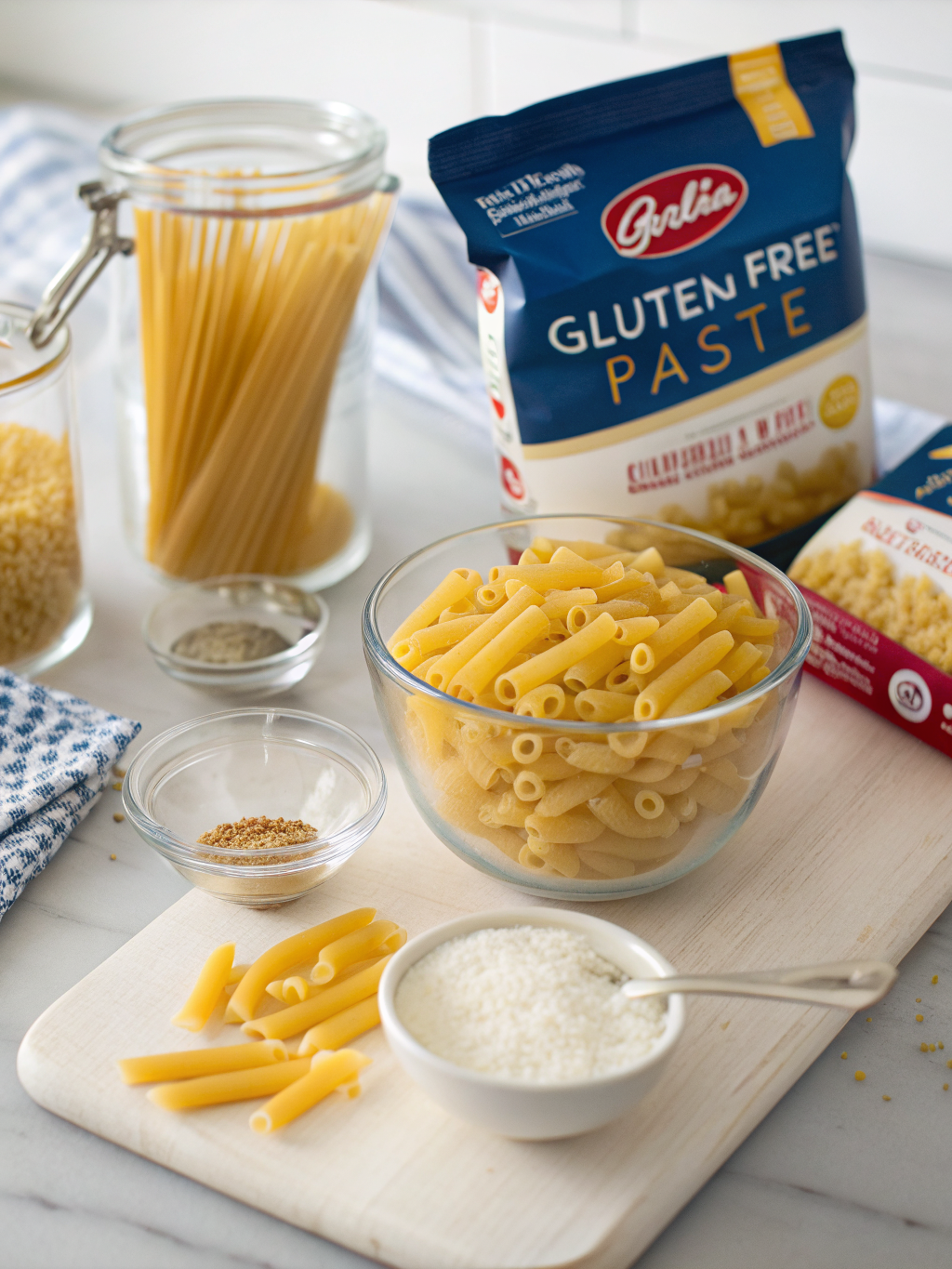
These flexible ingredients make enough for five quick recipe variations. Choose your preferred gluten-free pasta shape, such as penne, spaghetti, elbows, or rotini.
- 1 box barilla gluten free pasta
- 2 tablespoons extra-virgin olive oil
- 3 garlic cloves, finely minced
- 1 small yellow onion, diced
- 2 cups marinara sauce
- 1 pint cherry tomatoes, halved
- 2 cups baby spinach
- 1 zucchini, sliced into half-moons
- 1 cup broccoli florets
- 1 pound cooked chicken, Italian sausage, shrimp, or chickpeas
- ½ cup heavy cream or unsweetened cashew cream
- ½ cup grated Parmesan or dairy-free Parmesan
- 1 lemon, zested and juiced
- Fresh basil or parsley
- Salt, black pepper, red pepper flakes, and Italian seasoning
Easy substitutions: Use frozen vegetables when fresh produce is limited, swap chicken for white beans, or use nutritional yeast for a dairy-free savory finish. Always confirm that sauces, broth, sausage, and seasonings are certified gluten-free if cross-contact is a concern.
For more information about Barilla gluten free pasta varieties, visit the official Barilla website.”
Timing
Each recipe begins with pasta cooked according to the package directions. Most versions take:
- Prep time: 10 minutes
- Cook time: 15 to 20 minutes
- Total time: 25 to 30 minutes
That is roughly 25% faster than many baked pasta casseroles, which often require 45 minutes or more. Prep vegetables while the water heats to make the process even smoother.
Step-by-Step Instructions
1. Make Garlic Tomato Basil Penne
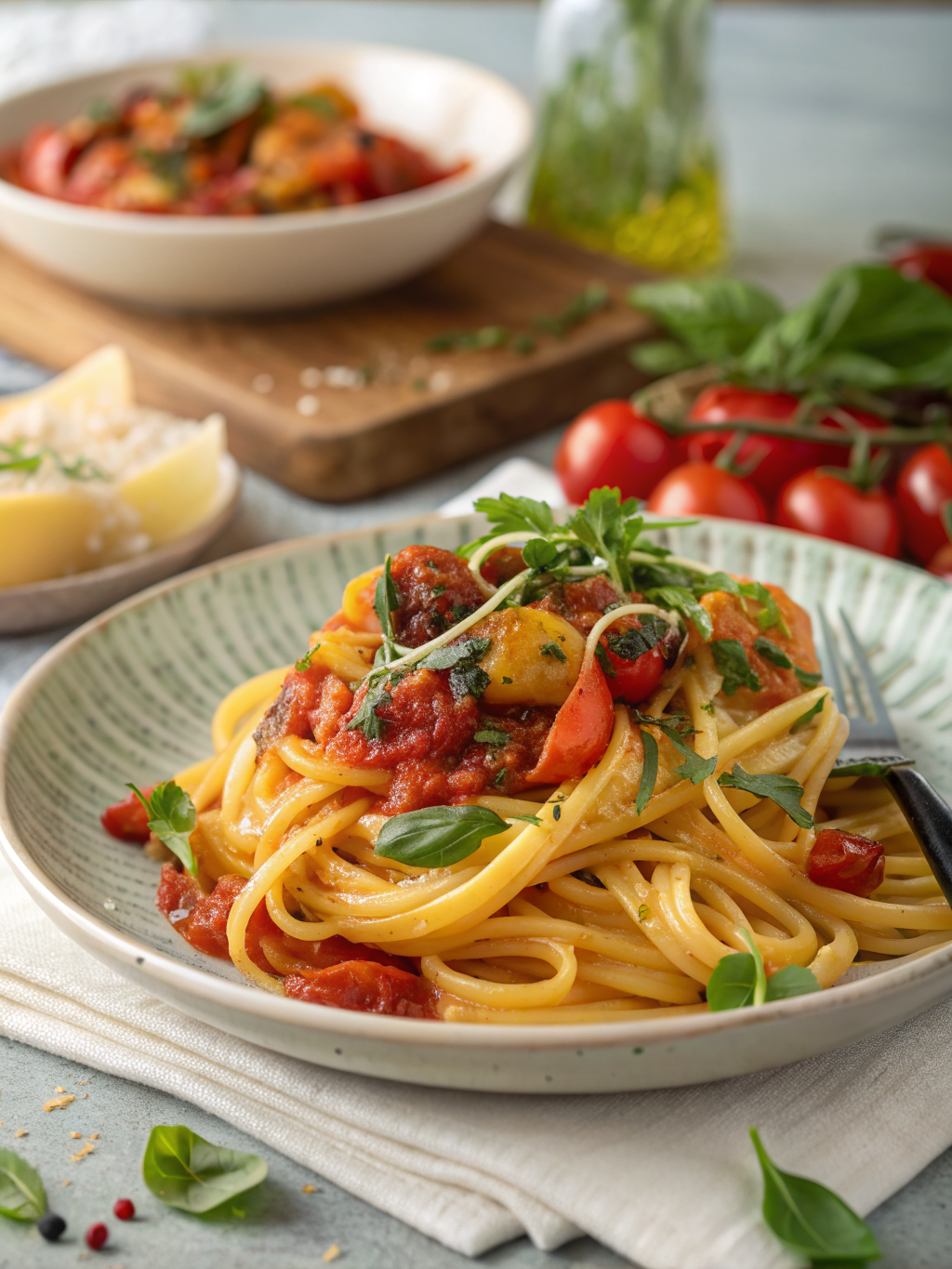
Cook gluten-free penne until just al dente. Meanwhile, sauté garlic in olive oil for 30 seconds, then add cherry tomatoes, salt, pepper, and Italian seasoning. Cook until the tomatoes soften and become jammy. Toss in the drained pasta with a splash of reserved pasta water, fresh basil, and Parmesan.
Tip: Reserve at least ½ cup pasta water. Its starch helps the sauce cling to every piece of pasta.
2. Create Creamy Lemon Spinach Spaghetti
Whisk cream, lemon zest, Parmesan, and black pepper in a skillet over low heat. Add cooked gluten-free spaghetti and toss gently. Fold in baby spinach until just wilted, then brighten the dish with a squeeze of lemon juice.
For extra protein, add grilled chicken or flaky salmon. The lemony sauce is especially appealing when you want a lighter alternative to a heavy Alfredo-style pasta.
3. Prepare One-Pan Sausage and Broccoli Rotini
Brown sliced gluten free Italian sausage in a large skillet. Add broccoli, a few tablespoons of water, and cover for three minutes until tender-crisp. Stir in cooked rotini, marinara, and a pinch of red pepper flakes.
This is an ideal recipe for busy families because the savory sausage and twisty rotini make every forkful filling. For a vegetarian version, use chickpeas or plant-based sausage.
4. Toss Mediterranean Chickpea Pasta Salad
Cook elbows or rotini, rinse briefly under cool water, and drain thoroughly. Combine with chickpeas, diced cucumber, cherry tomatoes, olives, parsley, olive oil, lemon juice, and crumbled feta.
This chilled option is excellent for meal prep, picnics, and lunchboxes. Add roasted red peppers for smoky sweetness, or replace feta with a dairy-free alternative.
5. Build Cheesy Vegetable Marinara Pasta
Sauté zucchini and onion in olive oil until golden at the edges. Stir in marinara and cooked pasta, then top with mozzarella and Parmesan. Cover for two minutes so the cheese melts into a cozy, bubbly layer.
If you love baked pasta flavor without the extra oven time, this stovetop method delivers a similar comfort-food result in about half an hour.
Nutritional Information
Nutrition varies by pasta shape, sauce, protein, and portion size. The following estimate is for one serving of garlic tomato basil penne, based on four servings per recipe:
- Calories: 390
- Protein: 12g
- Carbohydrates: 63g
- Fiber: 5g
- Fat: 11g
- Sodium: 380mg
Adding chicken, shrimp, beans, or lentils can increase protein by 10 to 25 grams per serving. Vegetables such as spinach, broccoli, and tomatoes also contribute fiber, potassium, vitamin C, and protective plant compounds without dramatically increasing calories.
Healthier Alternatives for the Recipe
Make your barilla gluten free pasta meal fit your goals without sacrificing comfort:
- Use lean turkey sausage or chickpeas instead of higher-fat sausage.
- Replace half the pasta with roasted vegetables for more volume and fiber.
- Choose low-sodium marinara and add your own garlic, herbs, and chili flakes.
- Swap cream for blended white beans or cashew cream in creamy sauces.
- Add spinach, kale, peas, or broccoli to increase vegetable intake.
- For dairy-free diners, use nutritional yeast and dairy-free cheese shreds.
For athletes or hungry teens, increase the protein rather than simply increasing the pasta portion. It helps make the meal more balanced and satisfying.
Serving Suggestions
Serve tomato basil penne with a crisp arugula salad and balsamic dressing. Pair creamy lemon spaghetti with roasted asparagus or green beans. Sausage broccoli rotini is delicious with garlic bread made from certified gluten free bread.
For a casual dinner party, set up a pasta bar: offer two sauces, vegetables, proteins, herbs, and grated cheese. This allows guests to personalize their bowls while keeping gluten free dining welcoming and stress-free.
Common Mistakes to Avoid
- Overcooking the pasta: barilla Gluten free pasta can soften quickly. Start checking it one to two minutes before the package time.
- Skipping pasta water: A small splash creates silkier sauces and prevents dryness.
- Rinsing hot pasta unnecessarily: Rinse only for cold pasta salad; otherwise, the starch helps sauce adhere.
- Using a crowded pan: Vegetables steam instead of browning. Cook in batches for better caramelized flavor.
- Ignoring label details: If serving someone with celiac disease, verify every packaged ingredient for gluten free status and avoid cross-contact with wheat-based utensils or strainers.
Storing Tips for the Recipe
Store cooled leftovers in an airtight container in the refrigerator for up to three days. Keep pasta salad chilled and enjoy within three days for the freshest texture.
For hot pasta dishes, reheat gently in a skillet with one to two tablespoons of water, broth, or sauce. Microwaving works too, but cover the container and stir halfway through. Avoid freezing cream-based pasta, as the sauce may separate; tomato-based versions freeze better for up to two months.
Conclusion
These five easy recipes show that barilla gluten free pasta can be colorful, flavorful, and practical for everyday cooking. From creamy lemon spaghetti to hearty sausage rotini and fresh Mediterranean pasta salad, there is an option for every craving.
Choose one recipe this week, customize it with your favorite protein or vegetables, and share your result in the comments. Looking for another cozy dinner idea? Explore a baked gluten-free tortellini recipe for a crowd-pleasing meal with rich meat sauce.
FAQs
Is Barilla gluten free pasta suitable for celiac disease?
Barilla gluten free pasta is designed for gluten-free diets, but people with celiac disease should always review the current package label and ingredient information. Also prevent cross-contact by using clean cookware, strainers, and serving utensils.
How do I keep barilla gluten free pasta from becoming mushy?
Use a large pot of boiling water, stir during the first minute, and taste the pasta before the suggested cooking time ends. Drain promptly and toss it with sauce right away.
Which sauce works best with gluten free pasta?
Tomato marinara, pesto, olive oil and garlic, creamy lemon sauce, and meat sauce all work well. Chunkier sauces are particularly helpful because they add texture and cling beautifully to pasta shapes.
Can I make these recipes vegan?
Yes. Use chickpeas, lentils, or plant-based sausage for protein; choose dairy-free cheese; and replace cream with cashew cream, oat-based cooking cream, or blended white beans.
Can I prepare banilla gluten free pasta ahead of time?
Yes. For cold pasta salad, cook, rinse, toss with a little olive oil, and refrigerate. For hot meals, prepare the sauce in advance and cook the pasta shortly before serving for the best texture.