gluten free pasta near me: 7 Easy Ways to Find It
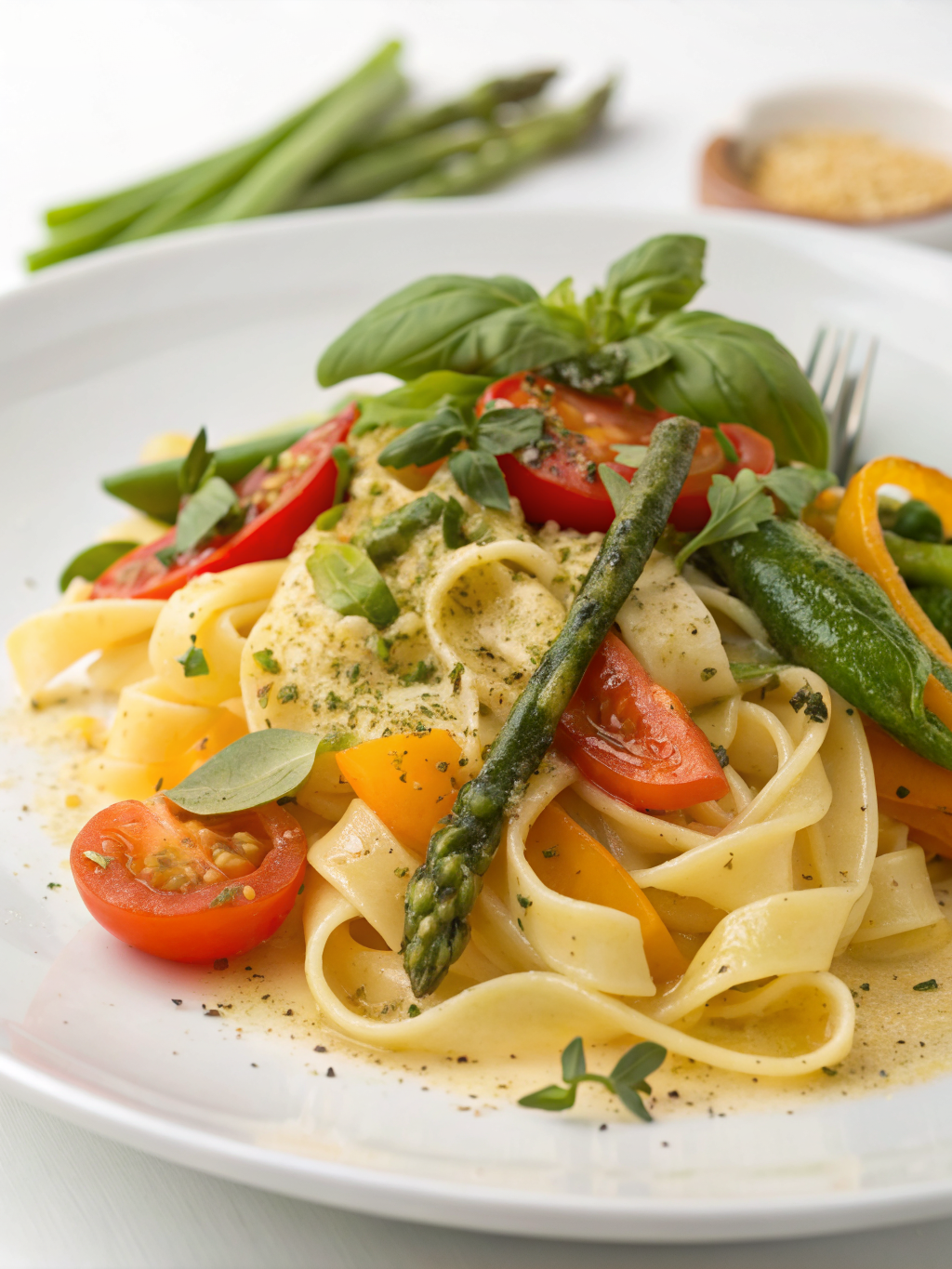
Did you know that choosing the wrong gluten-free noodle can turn a 15-minute dinner into a mushy, expensive disappointment—especially when your favorite recipe depends on a firm, sauce-holding pasta? If you are searching for gluten free pasta near me, this practical guide helps you locate reliable options and turn them into a silky, satisfying tomato-basil pasta at home.
From local grocery aisles to restaurant menus and delivery apps, gluten free pasta is more accessible than ever. The key is knowing what to look for: certified gluten-free labeling, ingredient transparency, and cooking methods that prevent cross-contact.
Ingredients
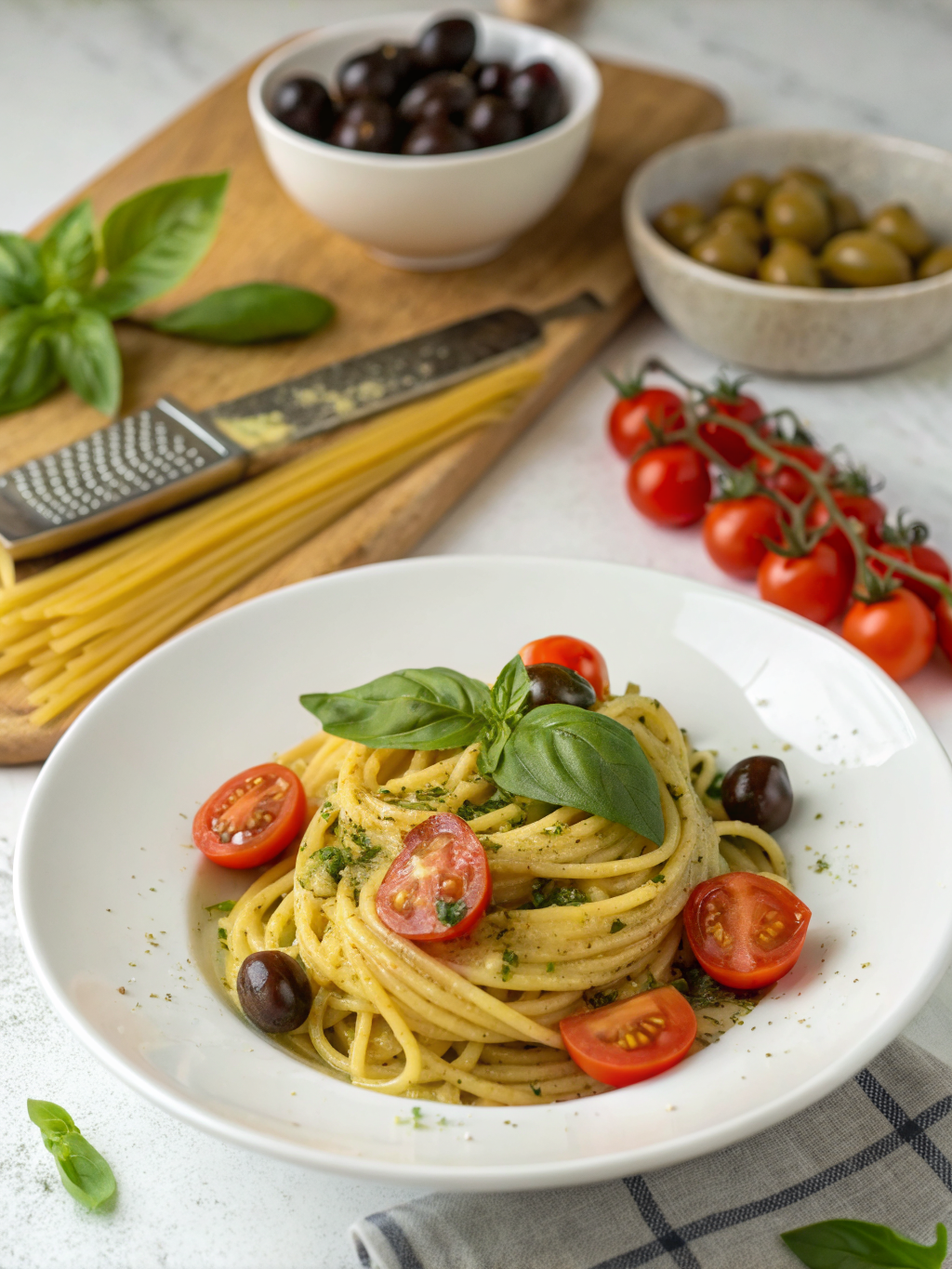
Use these ingredients for four comforting servings of gluten free tomato-basil pasta:
- 12 ounces gluten free spaghetti, penne, or fusilli
- 2 tablespoons extra-virgin olive oil
- 3 garlic cloves, finely minced
- 1 small shallot, diced
- 1 can (14 ounces) crushed tomatoes
- 1 teaspoon Italian seasoning
- ½ teaspoon sea salt, plus more for pasta water
- ¼ teaspoon black pepper
- ¼ teaspoon red pepper flakes, optional
- ½ cup fresh basil, torn
- ¼ cup grated Parmesan or dairy-free Parmesan
- ½ cup reserved pasta water
Smart substitutions: Choose brown-rice pasta for a familiar bite, chickpea pasta for extra protein, or corn-and-rice pasta for a mild flavor. Replace Parmesan with nutritional yeast for a vegan finish. For a richer sauce, stir in ¼ cup dairy-free cream or regular heavy cream.
Timing
- Prep time: 10 minutes
- Cook time: 15 minutes
- Total time: 25 minutes
That is roughly 30% faster than many baked gluten free pasta recipes, which often require 35 to 45 minutes. For busy weeknights, cook your sauce while the pasta boils so everything reaches the table hot and glossy.
7 Easy Ways to Find Gluten Free Pasta Near You
1. Search grocery apps before leaving home
Use store apps from major retailers to search “gluten-free pasta,” “rice pasta,” or “chickpea pasta.” Filter by in-stock items and check the aisle location. This saves time and helps you compare prices between stores.
2. Look for certified gluten free labels
For people with celiac disease, labels matter. In the United States, foods labeled gluten free must contain fewer than 20 parts per million (ppm) of gluten under FDA standards. Check packages for third-party certification when possible, particularly if cross-contact is a concern.
3. Check natural-food and international markets
Natural grocers frequently carry lentil, quinoa, chickpea, and brown-rice pasta. Italian markets may also stock corn-and-rice alternatives. Ask staff whether the product is stored separately from wheat-based bulk foods.
4. Use restaurant map filters
Search Google Maps, Yelp, and restaurant reservation platforms using phrases such as “gluten free Italian food” or “celiac-safe pasta.” For a broader safety guide, explore gluten free pasta restaurants and review each restaurant’s allergen practices before ordering.
5. Read delivery-app menus carefully
DoorDash, Uber Eats, and Grubhub often show dietary filters, but always read the menu description. “Gluten-friendly” does not necessarily mean safe for celiac disease. Call the restaurant and ask whether pasta is cooked in separate water and whether separate strainers are used.
6. Ask your favorite Italian restaurant targeted questions
A quick, specific question gets better answers than “Do you have gluten-free options?” Ask: “Is your gluten free pasta cooked in fresh water, and can you use clean utensils?” Restaurants with trained staff can often accommodate you more confidently.
7. Keep dependable brands in your pantry
When you find a pasta your household enjoys, stock up during sales. Popular choices include brown-rice spaghetti, lentil penne, and cassava-based noodles. A small pantry backup prevents last-minute searches when dinner needs to happen now.
Step-by-Step Instructions
Step 1: Boil the pasta with intention
Bring a large pot of generously salted water to a rolling boil. Add gluten-free pasta and stir immediately. Gluten free noodles can cling together more easily than wheat pasta, so stir again after the first two minutes.
Cook until just al dente according to the package instructions. Reserve ½ cup pasta water before draining. Do not rinse the pasta; its surface starch helps the sauce cling.
Step 2: Build a fragrant sauce base
While the pasta cooks, warm olive oil in a large skillet over medium heat. Add shallot and cook for two to three minutes until soft and sweet-smelling. Add garlic, Italian seasoning, and red pepper flakes. Stir for 30 seconds—just long enough to release aroma without browning the garlic.
Step 3: Simmer and season
Pour in crushed tomatoes, salt, and pepper. Simmer for six to eight minutes until the sauce thickens slightly. Taste before adding more salt, since Parmesan and jarred products can vary widely in sodium.
Step 4: Toss for a restaurant-style finish
Add drained pasta directly to the skillet. Toss with a splash of reserved pasta water until the sauce becomes glossy and coats every curve of the noodles. Fold in basil and Parmesan. Serve immediately, because gluten-free pasta is at its best while warm and tender.
Nutritional Information
Estimated nutrition per serving, based on brown-rice pasta and Parmesan:
- Calories: 390
- Protein: 10 grams
- Carbohydrates: 68 grams
- Fiber: 4 grams
- Fat: 10 grams
- Sodium: 480 milligrams
Nutrition changes significantly by pasta type. Chickpea and lentil pasta can provide approximately 13 to 20 grams of protein per serving, while rice-based varieties generally deliver a more traditional pasta texture with less protein.
Healthier Alternatives for the Recipe
Boost vegetables by adding sautéed zucchini, spinach, mushrooms, or roasted bell peppers. For a higher-protein bowl, use chickpea pasta and add grilled chicken, shrimp, tofu, or white beans.
Need a lower-sodium version? Choose no-salt-added crushed tomatoes, reduce Parmesan, and brighten the sauce with lemon zest and fresh herbs instead. For dairy-free diners, nutritional yeast adds a savory, cheesy character without milk.
Serving Suggestions
Serve this pasta with a crisp arugula salad, lemony roasted broccoli, or garlic-free grilled vegetables. For a family-style meal, place basil, Parmesan, chili flakes, and toasted pine nuts on the table so everyone can personalize their bowl.
If you found your pasta through a local market, share the store name and brand with friends or in the comments—your recommendation may help another gluten-free shopper skip a frustrating search.
Common Mistakes to Avoid
- Overcooking the pasta: Gluten free noodles can go from firm to fragile quickly. Begin tasting one to two minutes before the package’s suggested time.
- Skipping the stir: Stirring early prevents sticking and uneven cooking.
- Using shared cooking water at restaurants: For celiac disease, ask whether fresh water is used. Shared water may introduce gluten cross-contact.
- Adding sauce too late: Toss pasta in sauce immediately after draining for better flavor and texture.
- Assuming every “wheat-free” product is gluten-free: Read labels carefully; wheat-free products may still contain barley or rye.
Storing Tips for the Recipe
Store leftovers in an airtight container in the refrigerator for up to three days. Add a teaspoon of water before reheating in a skillet or microwave to loosen the sauce. Reheat gently; high heat can make gluten-free pasta dry or crumbly.
For meal prep, make the sauce up to four days ahead, but cook pasta fresh when possible. If you must prepare noodles in advance, toss them with a small amount of olive oil and store sauce separately.
Conclusion
Finding dependable gluten free pasta does not need to be complicated. Search local grocery inventory, check labels, ask restaurants detailed cross-contact questions, and keep a favorite brand ready in your pantry. Once you have your noodles, this quick tomato-basil recipe delivers a flexible, comforting dinner in just 25 minutes.
Try it tonight, then experiment with chickpea, lentil, or brown-rice pasta to find your ideal texture. Share your favorite local find and explore more gluten free cooking ideas for effortless weeknight meals.
FAQs
Is gluten free pasta safe for people with celiac disease?
It can be, provided it is labeled gluten free and protected from cross-contact. At restaurants, confirm separate cooking water, clean utensils, and safe preparation surfaces.
Which gluten free pasta tastes most like regular pasta?
Corn-and-rice blends and brown-rice pasta are often closest in flavor and texture to conventional wheat pasta. Cook them al dente for the best result.
Can I order gluten free pasta from Italian restaurants?
Yes, many Italian restaurants offer it. Call ahead and ask how they prevent cross-contact, especially if you have celiac disease or a severe gluten sensitivity.
Why does gluten free pasta fall apart?
Overcooking, insufficient stirring, and aggressive rinsing can cause breakage. Use plenty of water, stir early, and transfer the pasta directly into sauce.
Can I freeze gluten free pasta?
Freezing cooked gluten free pasta is possible, but its texture may soften after thawing. Freeze sauce separately for the most satisfying make-ahead meal.