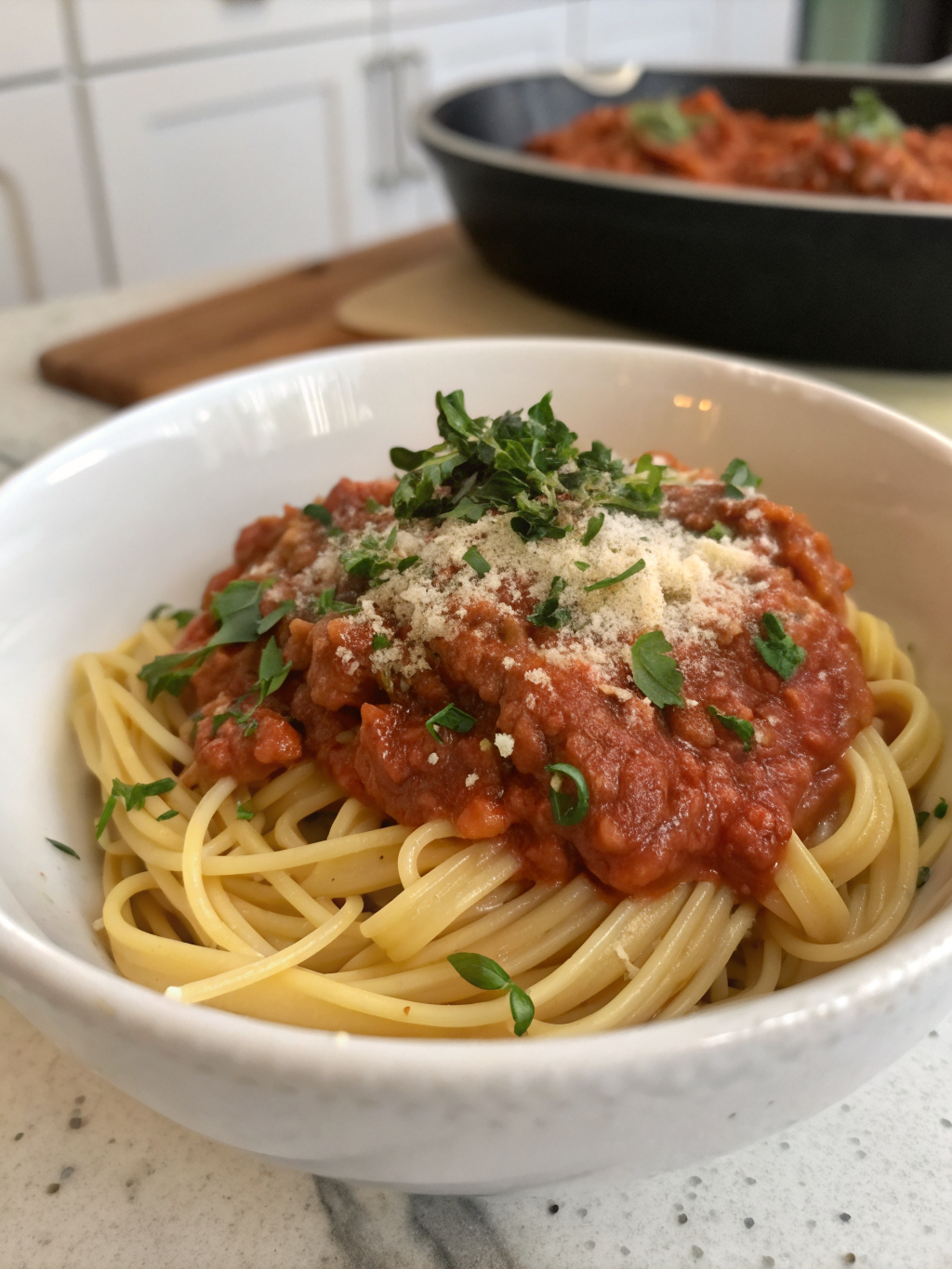
Gluten Free Pasta Sauce: 7 Easy & Delicious Recipes
Did you know that “gluten free” is not just a trend—FDA labeling rules require foods labeled gluten-free to contain fewer than 20 parts per million of gluten? That makes homemade sauce a smart way to control every ingredient in your pasta dinner. These seven sauces prove that a flavorful gluten free pasta sauce can be quick, comforting, and far more exciting than opening a jar.
From silky roasted garlic cream sauce to bright tomato basil and hearty lentil Bolognese, each option starts with naturally gluten-free ingredients. Every gluten free pasta sauce in this guide can be adjusted for dairy-free or higher-protein meals. Pair one with your favorite certified gluten-free pasta, vegetables, protein, or herbs for a personalized weeknight meal.
Ingredients List for Gluten Free Pasta Sauce
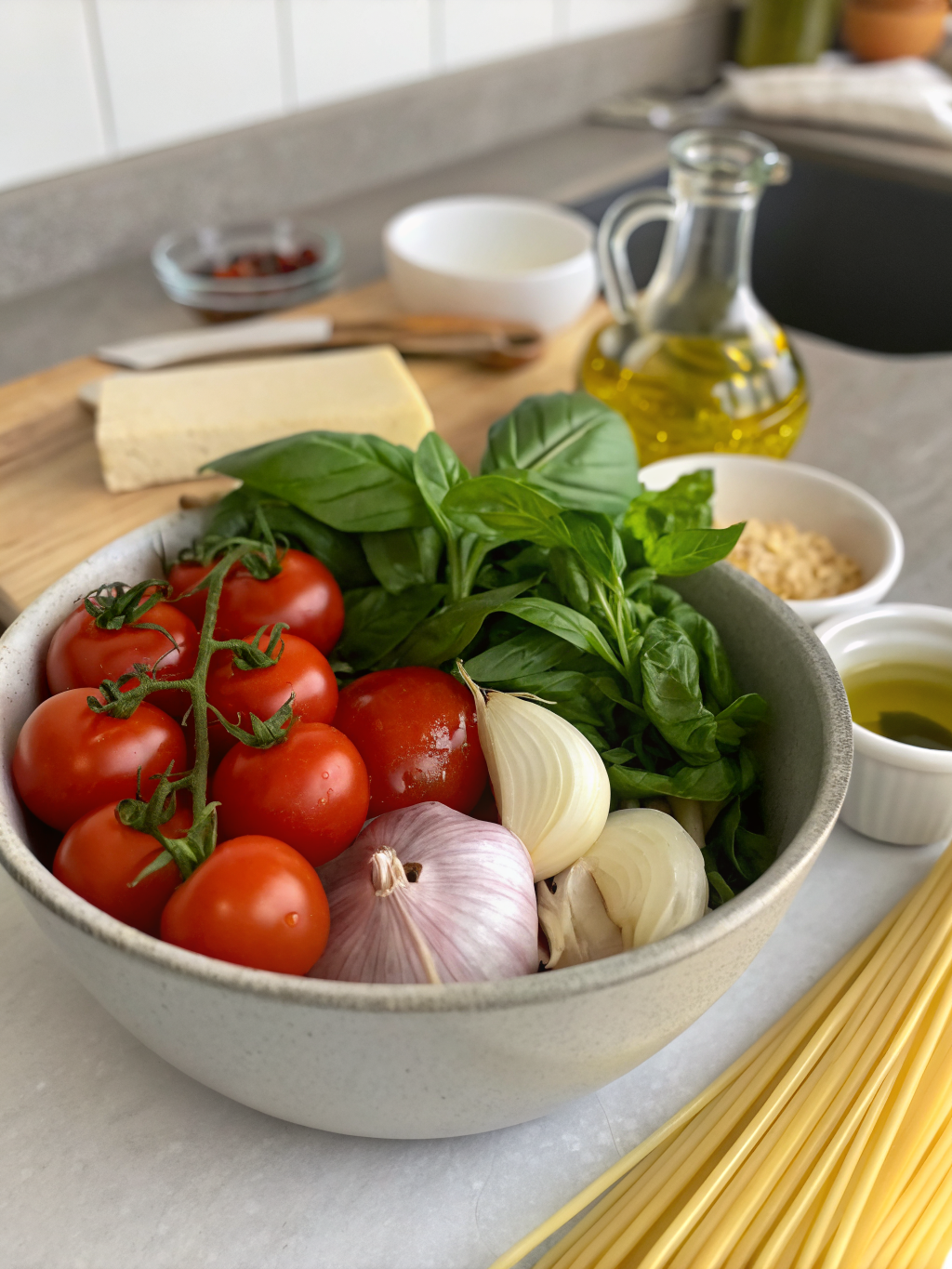
Use this flexible ingredient guide to make any—or all—of the seven sauce variations below. Always check labels on broth, pesto, cheese, spices, and packaged add-ins for gluten-containing ingredients.
- Olive oil: 2 tablespoons; avocado oil is a great swap.
- Garlic: 3 to 4 cloves, finely minced, for fragrant depth.
- Crushed tomatoes: 1 can (28 ounces), preferably no-salt-added.
- Tomato paste: 1 tablespoon for a richer, slow-simmered flavor.
- Heavy cream or canned coconut milk: ¾ cup for creamy sauces.
- Parmesan: ½ cup, freshly grated; use nutritional yeast for dairy-free meals.
- Fresh basil and parsley: A handful each for color and freshness.
- Vegetables: Spinach, mushrooms, zucchini, roasted red peppers, or butternut squash.
- Protein options: Cooked lentils, Italian sausage, chicken, shrimp, or white beans.
- Seasonings: Sea salt, black pepper, oregano, red pepper flakes, and lemon juice.
For an easy gluten free pasta sauce , keep crushed tomatoes, garlic, olive oil, and dried Italian herbs in your pantry. They create a dependable base in minutes.
Timing
- Prep time: 10 minutes
- Cook time: 15 to 25 minutes
- Total time: 25 to 35 minutes
- Servings: 4
Most of these sauces are ready in under 35 minutes, which is substantially faster than traditional sauces that simmer for 60 to 90 minutes. For busy evenings, make the tomato base while your gluten-free pasta cooks, then reserve ½ cup of pasta water to create a glossy, restaurant-style finish.
Step-by-Step Instructions
Step 1: Build a flavorful base
Heat olive oil in a wide skillet over medium heat. Add garlic and sauté for 30 to 45 seconds, just until aromatic. Do not let it brown; burnt garlic can make an otherwise delicious sauce taste bitter. Add tomato paste, if using, and cook for one minute to deepen its sweetness.
Step 2: Make classic tomato basil sauce
Add crushed tomatoes, oregano, salt, pepper, and red pepper flakes. Simmer for 15 minutes, then stir in torn basil. This bright, savory sauce is ideal for spaghetti, penne, meatballs, or roasted vegetables.
Step 3: Turn it into creamy tomato vodka-style sauce
Stir ¾ cup cream or full-fat coconut milk into the warm tomato sauce. Add ¼ cup Parmesan or nutritional yeast and simmer gently for three minutes. The result is velvety, slightly tangy, and perfect with rigatoni or gluten free shells.
Step 4: Make roasted garlic Alfredo sauce
Skip the tomatoes. Warm cream, roasted garlic, Parmesan, and a splash of pasta water in a skillet. Whisk until smooth, then finish with black pepper. For a lighter version, use blended cottage cheese or cashew cream instead of heavy cream.
Step 5: Create lemon herb pesto sauce
Blend basil, parsley, garlic, lemon juice, olive oil, Parmesan, and walnuts or pine nuts. Toss with hot pasta and enough pasta water to loosen. This no-cook gluten free pasta sauce tastes especially fresh with peas, chicken, or cherry tomatoes.
Step 6: Simmer mushroom spinach sauce
Sauté sliced mushrooms until deeply browned, about six to eight minutes. Add garlic, a splash of certified gluten free broth, spinach, and either tomato sauce or cream. Browning the mushrooms first creates a richer, almost meaty flavor without extra meat.
Step 7: Try lentil Bolognese or roasted pepper sauce
For lentil Bolognese, stir cooked brown or green lentils into tomato sauce with finely diced carrots and celery. For roasted pepper sauce, blend jarred roasted red peppers, garlic, almonds, olive oil, and lemon juice until silky. Both make satisfying plant-forward pasta dinners.
Nutritional Information
Nutrition varies by sauce and serving size. A gluten free pasta sauce made with vegetables, tomatoes, or lentils can add flavor and useful nutrients without making the meal complicated. The following estimate is for ½ cup classic tomato basil sauce, excluding pasta:
- Calories: 95
- Protein: 2 grams
- Carbohydrates: 10 grams
- Fiber: 3 grams
- Fat: 6 grams
- Sodium: 240 milligrams
Tomato-based sauces provide lycopene, an antioxidant associated with cooked tomato products, while lentils add plant protein and fiber. Creamy sauces will be higher in calories and saturated fat, but they can still fit into a balanced meal when portioned thoughtfully.
Healthier Alternatives for the Recipe
Make your gluten free pasta sauce dinner work for your needs without sacrificing comfort:
- Dairy-free: Use cashew cream, unsweetened coconut milk, or nutritional yeast.
- Higher protein: Add lentils, white beans, shredded chicken, turkey sausage, or shrimp.
- Lower sodium: Choose no-salt-added tomatoes and season with lemon, basil, garlic, and chili instead.
- More vegetables: Blend zucchini, carrots, cauliflower, or butternut squash into creamy sauces.
- Lower-carb: Serve sauce over spaghetti squash, zucchini noodles, or hearts-of-palm pasta.
Serving Suggestions for Gluten Free Pasta Sauce
Serve tomato basil sauce over gluten free spaghetti with a crisp arugula salad. Pair Alfredo with broccoli and grilled chicken, or spoon roasted red pepper sauce over baked gluten-free gnocchi. For a family-style meal, offer toppings in small bowls: basil, Parmesan, chili flakes, toasted walnuts, olives, and lemon wedges.
If you are cooking for selective eaters, serve the sauce separately and let everyone build their own bowl. It is an easy way to make one dinner feel personalized.
Common Mistakes to Avoid
- Skipping label checks: Gluten can appear in broth, seasoning blends, sausage, and pre-made pesto.
- Overcooking gluten free pasta sauce: Many varieties soften quickly. Start tasting one to two minutes before package timing.
- Forgetting pasta water: Its starch helps sauce cling to noodles instead of pooling at the bottom.
- Boiling cream sauces aggressively: Gentle heat prevents separation and keeps the texture smooth.
- Under-seasoning: Taste at the end; acidity from lemon or a pinch of salt can wake up a flat sauce.
Storing Tips for the Recipe
Cool sauce completely before transferring it to airtight containers. Refrigerate for up to four days or freeze for up to three months. Freeze individual portions for fast lunches, and label each container with the sauce name and date.
Reheat tomato sauces over low heat with a splash of water. For cream sauces, reheat gently and stir often to prevent splitting. If possible, store cooked gluten free pasta sauce separately; it retains a better texture when tossed with reheated sauce just before serving.
Conclusion
These seven sauces make it simple to create a memorable gluten free pasta sauce for every craving—creamy, herby, spicy, vegetable-packed, or protein-rich. Start with the tomato basil version, then experiment with pesto, lentil Bolognese, and roasted pepper variations.
Try one gluten free pasta sauce this week, save your favorite in the freezer, and share which sauce earned a place in your regular dinner rotation. A homemade gluten free pasta sauce is easy to customize for your family. For more meal inspiration, explore gluten free pasta sauce shapes, vegetable sides, and make-ahead dinner ideas.
FAQs
Are all pasta sauces naturally gluten-free?
Not always. Basic tomato sauce is often naturally gluten free, but packaged sauces may contain gluten through thickeners, broth, seasonings, malt ingredients, or cross-contact. Read the label every time.
What can I use instead of flour to thicken gluten free pasta sauce?
Simmer tomato sauce longer, blend in cooked vegetables or white beans, or use a small cornstarch slurry. For cream sauces, Parmesan, cashew cream, or starchy pasta water can create body.
Can I freeze creamy pasta sauce?
Yes, although dairy-based sauces may separate slightly after thawing. Reheat slowly over low heat and whisk in a little milk, cream, or pasta water to restore a smooth texture.
Which gluten free pasta sauce works best with these sauces?
Choose the shape based on the sauce. Long noodles suit tomato basil and pesto, while penne, rigatoni, and shells hold creamy, chunky, and lentil-based sauces particularly well.